Why Dutch Home Sellers Can't Ignore the Vabi Energy Label

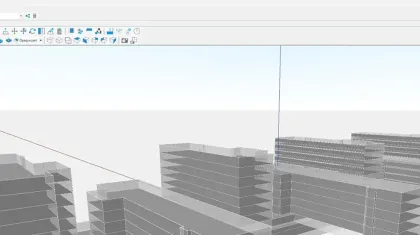
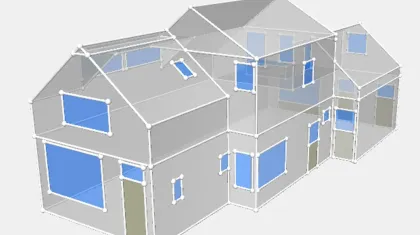
Duidelijke visualisatie voor Funda en portal presentatie.
You've decided to sell your house in the Netherlands. You've thought about the asking price, the photos, the viewings. But there's one document that can quietly add thousands to your final sale price—or cost you buyers before they even step inside. That's the Vabi energy label.
Since 2015, energy labels have been mandatory for property sales in the Netherlands. But not all labels are created equal. A Vabi energy label, produced by a certified energy advisor using the Vabi software suite, carries weight with buyers, mortgage lenders, and even appraisers. It's the difference between a vague estimate and a precise, verifiable energy performance rating.
Table of Contents9 sections
In this guide, we'll walk through what the Vabi energy label actually is, how it interacts with NEN 2580 measurement standards, what it costs, and how to use it as a selling tool. We'll also address the questions Dutch sellers ask most—including whether a NEN 2580 report is required for Funda and how to upload your documents correctly.
What Exactly Is a Vabi Energy Label?
Vabi is a Dutch software company that provides calculation tools for energy performance in buildings. When an energy advisor uses Vabi software to assess your home, they generate an energy label based on the official Dutch method (NTA 8800). The result is a label from A++++ (most efficient) to G (least efficient).
But here's the nuance: the label itself is issued by a certified energy advisor, not by Vabi. Vabi is simply the tool. However, in the Dutch market, "Vabi energy label" has become shorthand for a label produced with Vabi's calculation software—which is widely trusted by banks and appraisers because of its accuracy and compliance with national standards.
Why does this matter for sellers? Because a label from a less rigorous tool might be challenged during the buying process. A Vabi-generated label, backed by a certified advisor, is less likely to raise eyebrows. It signals that you've done your homework.
The Difference Between Vabi and Other Label Providers
Several software packages exist for energy labeling in the Netherlands, including Vabi, Uniec, and others. The key differences come down to:
Accuracy of input data: Vabi requires detailed input on insulation, glazing, heating systems, and ventilation. This precision often results in a more favorable label if your home has been upgraded.
Integration with NEN 2580: Vabi software can incorporate NEN 2580 measurement data, ensuring that the energy label reflects the actual usable floor area (gebruiksoppervlakte wonen, or GO).
Acceptance by lenders: Major Dutch banks and the NHG (National Mortgage Guarantee) accept Vabi labels without question.
If you've made energy improvements—solar panels, heat pump, HR++ glazing—a Vabi label is more likely to capture those upgrades accurately and push your rating higher.
How Energy Performance Directly Affects Your Sale Price
Dutch buyers are more energy-conscious than ever. With soaring gas prices and stricter EU energy regulations on the horizon, a poor energy label is no longer just a minor inconvenience—it's a negotiating tool. A 2023 study by the Dutch Association of Real Estate Agents (NVM) found that homes with an A label sold for an average of 6% more than comparable homes with a G label. On a €400,000 home, that's €24,000.
But the impact goes beyond the headline price. A good label:
Reduces time on market—buyers filter by label on Funda and other portals.
Lowers the risk of a lower appraisal, which can jeopardize a buyer's mortgage.
Attracts buyers who qualify for green mortgages (groene hypotheek), which often offer lower interest rates for energy-efficient homes.
Conversely, a G label can trigger demands for price reductions or force you to invest in upgrades before selling. A Vabi energy label gives you the data to negotiate from a position of strength.

NEN 2580 and the Vabi Energy Label: What's the Connection?
If you've researched selling your home in the Netherlands, you've likely encountered NEN 2580. This is the Dutch standard for measuring floor area in buildings. It defines how to calculate usable floor area (gebruiksoppervlakte wonen, GO) and gross floor area (bruto vloeroppervlak, BVO).
Why does this matter for your energy label? Because energy performance is calculated per square meter. If your NEN 2580 measurement is inaccurate—say, you include a garage or attic that shouldn't count—your energy label could be based on the wrong area, leading to an incorrect rating.
A reputable energy advisor will use NEN 2580 measurements as the basis for the energy label calculation. This ensures consistency between your floor plan, your energy label, and your property listing. When a buyer's appraiser checks the documents, everything aligns.
Is a NEN 2580 Meetrapport Required for Funda?
Funda, the largest property portal in the Netherlands, does not strictly require a NEN 2580 measurement report to list a property. However, Funda's quality standards strongly recommend it. Listings with a NEN 2580 report and a valid energy label receive a "Funda FML upload" badge, which signals to buyers that the property data is verified and reliable.
In practice, most NVM real estate agents will insist on a NEN 2580 report before listing, because it protects them from liability and speeds up the sale. If you're selling without an agent, having a NEN 2580 report and a Vabi energy label ready can set your listing apart.
The Cost of a Vabi Energy Label in the Netherlands
Prices vary by provider, property size, and location. Here's a realistic breakdown:
Service | Average Cost (EUR) | Turnaround Time | Notes |
|---|---|---|---|
Vabi Energy Label (apartment) | €150 – €225 | 24–48 hours | Includes site visit and label registration |
Vabi Energy Label (terraced house) | €200 – €300 | 24–48 hours | More complex systems may increase cost |
Vabi Energy Label (detached house) | €300 – €450 | 48–72 hours | Larger surface area and multiple systems |
NEN 2580 Measurement Report | €150 – €250 | 24–48 hours | Often bundled with energy label |
Combined Package (Label + NEN 2580) | €300 – €500 | 24–48 hours | Best value for sellers |
These are indicative prices. Some advisors charge extra for rush service or for homes with unusual features (e.g., listed buildings, monuments). Always confirm what's included—registration in the national EP-Online database is essential.
Compared to the potential price increase from a better label, the cost is negligible. A €300 investment can easily translate into a €10,000–€20,000 higher sale price.
How to Improve Your Energy Label Before Selling
If your current label is D or lower, you have options. Some upgrades are cheap and quick; others require more investment. Here's a prioritized list based on cost-effectiveness:
Insulate your roof and cavity walls: Often the highest impact per euro. Subsidies are available through the Dutch government.
Replace single glazing with HR++ glass: Moderate cost, noticeable improvement in label.
Install a heat pump or hybrid heat pump: Significant jump in label, but higher upfront cost. Check for subsidies.
Add solar panels: Improves label and lowers energy bills—attractive to buyers.
Optimize ventilation: Sometimes overlooked, but proper ventilation affects the energy index.
Before investing, request a provisional energy assessment from your advisor. They can model different scenarios and tell you which upgrades will push you to the next label class. Sometimes a small change—like sealing drafts or adding floor insulation—can move you from C to B, which is enough to attract green mortgage buyers.
Uploading Your Documents: Funda FML and EP-Online
Once your Vabi energy label is issued, it must be registered in EP-Online, the national database. Your advisor usually handles this. You'll receive a registration number and a PDF label.
For Funda, you or your agent will upload the label and any NEN 2580 report via the Funda FML (Funda Media Library) system. The FML upload ensures that your property data is standardized and displayed correctly. Listings with complete, verified documents rank higher in search results and receive more inquiries.
If you're working with an NVM agent, they'll handle the upload. If you're selling privately, double-check that the label is visible on your listing—buyers actively filter by energy label, and missing data can cost you views.
Common Mistakes Sellers Make with Energy Labels
Even experienced sellers trip up on these points:
Using an expired label: Labels are valid for 10 years, but if you've made significant energy improvements, you should update the label to reflect them.
Ignoring the NEN 2580 measurement: An incorrect floor area can invalidate your label or lead to disputes.
Choosing the cheapest provider: A poorly calculated label may be rejected by lenders or appraisers, costing you more in the long run.
Not marketing the label: Mention the label in your listing description and highlight energy-saving features. Buyers notice.
DienstAanbevolen dienst:
Bekijk onze Vabi Energy Label diensten
Your Next Step: Get a Precise, Sale-Ready Energy Label
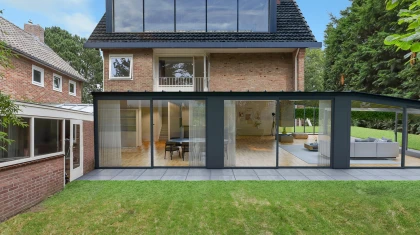
Professionele vastgoedmedia verhoogt bezichtigingsaanvragen.
At DreamChaser Nepal, we specialize in property documentation for the Dutch market. Our certified advisors deliver Vabi energy labels with 99.8% precision, combined with NEN 2580 measurement reports, all within 24 hours. We handle the EP-Online registration and provide Funda-ready files, so you can list with confidence.
Whether you're selling a starter apartment in Utrecht or a family home in Eindhoven, the right label is your quiet advantage. Don't leave money on the table.
Ready to boost your home's energy performance and sale price?
Order Your Vabi Energy Label Today
Or contact us for a free consultation: info@dreamchasernepal.com
GuideRelated reading: